
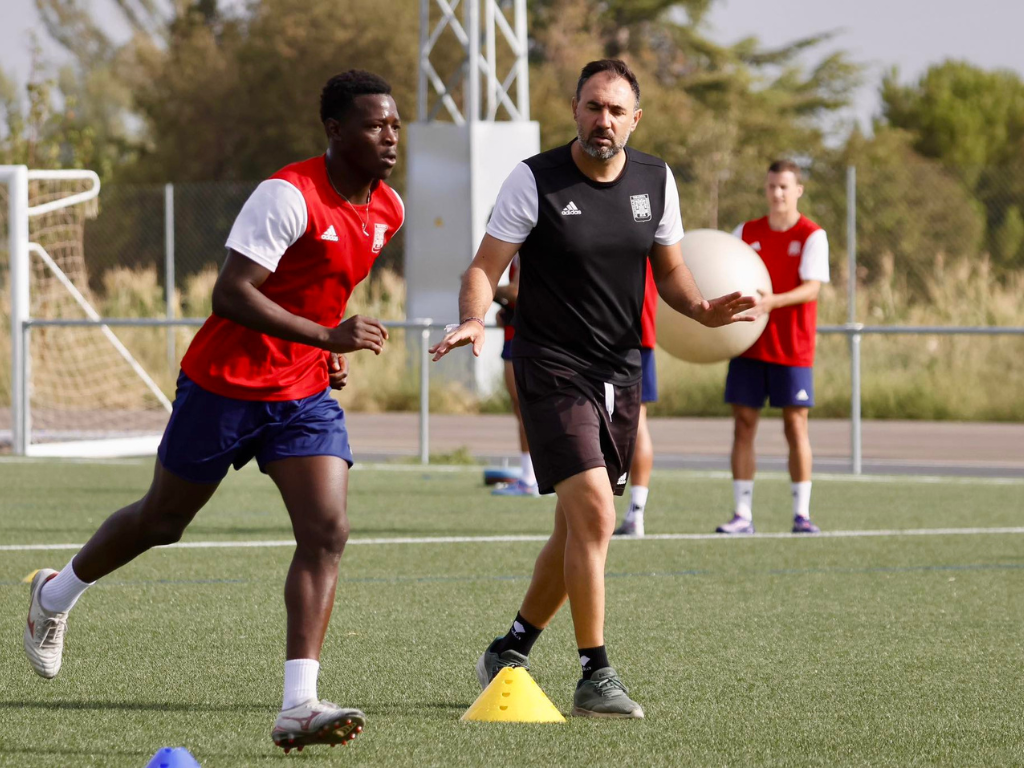
The Spanish football philosophy is one of the most respected in the world. It is more than just a way of playing; it is a mindset that values intelligence, creativity, and teamwork. For decades, Spain has produced technically gifted players who read the game with incredible awareness. This philosophy has shaped generations of footballers, teaching them to think, move, and play as one.
The foundation of the Spanish approach is simple: control the ball, control the game. Instead of relying on physical strength or long passes, Spanish football focuses on possession, precision, and patience. Young players are trained to make quick decisions, stay composed under pressure, and always play with purpose. This method produces calm, confident athletes who understand not only how to play but also how to think about football.

The Roots of Spanish Football Philosophy
The roots of the Spanish football philosophy can be traced back to the late 1980s when Johan Cruyff brought his vision of “total football” to FC Barcelona. His ideas focused on ball retention, quick passing, and intelligent movement — principles that became the foundation of Spain’s national identity in football. Over time, this evolved into the style known as tiki-taka, a system built on short, sharp passes and collective teamwork.
Cruyff’s influence spread through youth academies across Spain, especially through Barcelona’s La Masia, one of the most successful academies in the world. There, young players learned that football was not only about physical performance but also about understanding space, rhythm, and timing. Coaches encouraged players to value the ball, stay disciplined, and trust their teammates. These values became the backbone of modern Spanish football.
Possession and Control: The Core of the Game
At the heart of the Spanish football philosophy is the concept of possession. The idea is that when your team controls the ball, you also control the match. Spanish coaches often say, “If we have the ball, they can’t score.” But possession is not just about keeping the ball for the sake of it — it’s about using it intelligently to create opportunities and tire the opposition.
Young players are taught from an early age how to move into space, pass accurately, and keep the tempo of the game. Training often includes drills like rondos, where players pass in tight circles while under pressure. These exercises teach composure and improve first touch and awareness. As a result, Spanish players develop remarkable control and decision-making skills. They learn to play with patience and confidence, qualities that make them stand out in international football.
Developing Intelligent Players
One of the greatest strengths of the Spanish football philosophy is its focus on intelligence. Coaches in Spain want players who can think, not just follow instructions. Every training session is designed to help players read the game, anticipate movement, and make decisions independently.
Small-sided games are a key part of Spanish training. These games force players to think quickly, communicate constantly, and adapt to changing situations. Mistakes are seen as learning opportunities rather than failures. Coaches often ask guiding questions instead of shouting corrections: “What did you see?” or “Why did you make that choice?” This approach builds creativity and confidence. Over time, players develop the ability to solve problems on the pitch without relying on constant guidance.
Teamwork Over Individual Glory
In Spain, teamwork comes before individual success. The Spanish football philosophy teaches that the team is always more important than any single player. Coaches emphasize cooperation, communication, and shared responsibility. Players learn that a smart pass can be as valuable as a goal. This mindset creates harmony on and off the pitch.
When Spain won the 2010 FIFA World Cup and the European Championships in 2008 and 2012, their victories came not from one superstar but from a collective of skilled players who understood each other perfectly. Every player — from midfielders like Xavi and Iniesta to defenders like Puyol — knew their role and trusted their teammates completely. That unity is what makes the Spanish style so effective and admired worldwide.
Coaching Methods That Build Confidence
Spanish coaches are known for their positive and educational approach. Instead of focusing only on winning, they focus on development. They encourage young players to experiment, make decisions, and learn from mistakes. This builds confidence and creativity. Players are not punished for trying something new; they are praised for their effort and encouraged to keep improving.
Training is also highly individualized. Coaches pay attention to each player’s technical, tactical, and emotional growth. They provide constructive feedback and set personal goals. As a result, young footballers feel supported and motivated. This approach produces players who are not only skilled but also mentally strong and self-aware.
The Global Influence of Spanish Football
The Spanish football philosophy has influenced coaching and development programs across the world. Many countries have studied Spain’s success and tried to adopt similar methods. From Europe to Africa and even Asia, academies now emphasize technical ability, possession play, and football intelligence.
In Southern Africa, organizations like Tikitaka Africa have embraced this philosophy to help young players grow. By learning Spanish-style training techniques, African players gain valuable experience that prepares them for international competition. They improve their tactical understanding and gain confidence through exposure to new environments. This cultural and sporting exchange builds stronger, smarter players ready for the global stage.
Benefits for Young African Players
For young African players, adopting the Spanish football philosophy opens new doors. It teaches them to play with purpose and to think like professionals. They learn discipline, teamwork, and how to adapt to different playing styles. Participating in football tours to Spain gives them real-world experience with European clubs and coaches.
They get the chance to play friendly matches against Spanish academies, train under UEFA-licensed coaches, and visit world-famous stadiums like Camp Nou and the Santiago Bernabéu. These experiences broaden their horizons and motivate them to aim higher. More importantly, they return home with a new understanding of what it takes to succeed in football — not just physically, but mentally and emotionally too.
Tikitaka Africa: Bridging Africa and Spain
At Tikitaka Africa, the goal is to bring the best of the Spanish football philosophy to young players across Southern Africa. Through organized football tours, coaching clinics, and academy partnerships, Tikitaka Africa connects African talent with Spanish excellence. Players and coaches experience authentic Spanish training environments, guided by experienced professionals.
These programs are more than just tours — they are pathways for growth and opportunity. They inspire players to dream bigger, play smarter, and embrace the values of discipline, respect, and teamwork. By blending African passion with Spanish precision, Tikitaka Africa helps shape the next generation of footballers ready to shine on any stage.
Conclusion
The Spanish football philosophy has proven that football is not only about strength or speed; it is about intelligence, creativity, and unity. It teaches young players to understand the game deeply, to think for themselves, and to trust their teammates. For many, it is a life-changing way to approach both football and personal development.
By learning from Spain’s model, African players can build skills that set them apart — both on and off the pitch. With programs like Tikitaka Africa leading the way, the bridge between Africa and Spain continues to grow stronger. Together, they are shaping a new generation of intelligent, confident, and world-ready footballers.